
6 Problems to Catch Before Your Hot Water Heater Floods
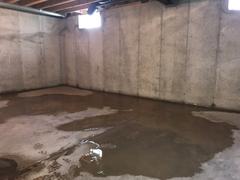
Whether from a plumbing failure or Mother Nature, a flooded home is a costly and scary situation. Add in the mess of a burst hot water heater, and the stress piles on.
Water heater floods are stressful for any homeowner. In addition to the costs of water damage restoration of the flooded area of your home, you’ll need to replace your heater, too. The average cost range of a water heater, according to Angi.com, is from $225 to $960.
Let’s dive into what causes a water heater to flood, and how you can spot this problem before it gets worse.
What Causes A Hot Water Heater To Flood?
When a hot water heater floods, it’s typically a result of too much pressure building up within the tank. This happens when:
A Buildup of Sediment Occurs
During the heating process, the water in your unit will naturally create calcium and magnesium as a byproduct. Without routinely flushing your tank, these mineral deposits will build up at the bottom and on the sides of the chamber. Pockets of air will form along with the sediment and affect the air pressure within the tank. This can cause flooding if not addressed quickly.
The Thermostat Malfunctions
One of the most common causes of water heater failure is a malfunctioning thermostat.
The thermostat in a water heater helps regulate the temperature, to ensure the unit doesn’t overheat. When the unit overheats, the water boils and creates steam within the tank. This can raise the pressure within the tank to a dangerous level, threatening a flood within your home.
Rust Corrodes the Tank
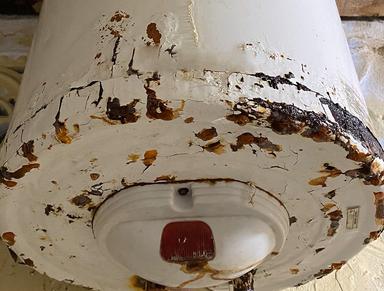
Since water heaters are made from metal, they can be especially prone to rust.
That’s why water heaters are built with an anode rod—a metal rod tasked with attracting all corrosion and rust.
The functionality of it is described as “sacrificing” itself to ensure that the rest of the tank stays rust and corrosion-free. When this malfunctions, rust will begin to corrode your tank, infecting the water and corrupting the safety mechanisms
6 Warning Signs of a Leaky Hot Water Heater
Early detection of water heater issues can prevent catastrophic outcomes. Here are signs to watch out for:
1. Insufficient Hot Water Supply
The main sign of a defective water heater is if your home isn’t getting adequate hot water. If you notice it’s taking an excessively long time for water to heat up, or you just aren’t getting any hot water at all, it’s a sign that you may need to replace your heater.
2. Popping or Rumbling Noises
Popping or rumbling noises are a sign that sediment has built up within your tank and may interfere with the heating process. If you hear popping, rumbling, creaking, or any unnatural sound from your unit, it’s likely on the edge of cracking or leaking.
3. Discolored Water and Metallic Taste
Brown, murky water is yet another sign that you may have sediment in your tank. You might see this coming out of the faucets around your house. You may even sense a metallic taste in your water as well as a result of the rust residue.
4. Faulty Pressure Relief Valve
A pressure valve’s purpose is to ensure that the inside of your water heater does not become over-pressurized. It provides an auxiliary exit for some of the pressure to escape safely. When this leaks or malfunctions, it causes an imbalance in your water heater, putting it at risk of dangerous explosion and flooding.
5. Odors of Gas or Rotten Eggs
If you recognize the smell of rotten eggs or gas, it may indicate a gas leak connected to your gas water heater. This may have been caused by a bad installation of your tank, or a damaged gas line. This is a potentially dangerous situation, as the pilot light on your water heater may cause a fire or explosion by igniting the gas from the leak. This may not be as much of a risk for electric water heaters.
6. Visible Water Puddles
The final and most obvious sign is seeing puddling or leaking around your water heater tank. The source of the leak can come from either the side or the bottom of the unit. This may be visible through rust trails on the side of the tank, or a large puddle around the base of the tank.
If you notice any of the above symptoms in your home, take proper safety precautions and call a plumber as soon as possible. You may be at risk of a water heater explosion. Worst case scenario, if water heaters explode and flood homes, they are known to cause severe injury and death. While replacing a water heating unit can be pricey, it’s a necessary investment for your own safety and ultimate comfort within your home.
How A Water Heater Flood Can Affect Your Foundation
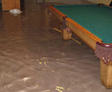
Water heaters are typically stored inside the basement or crawl space. When water heaters malfunction and flood your home, the water damage can have long-reaching effects on your home.
Here are a few to look out for.
- Mold and Mildew: Water damage can cause mold and mildew in the area of your home that is flooded. Loof for dark, puffy, or hairy-looking substance forming on floor joists, walls, or corners of the area that was flooded. Mold can create a health risk if not treated promptly.
- Spreading Cracks: Excess water in or around your home can exacerbate existing foundation cracks in your garage’s concrete, foundation walls, or basement floor. As the water creeps into the open cracks, it can cause the soil beneath your home to expand and contract, further aggravating your foundation and widening the crack.
- Foundation Settlement: If your basement or crawl space floods, it can displace the soil around your foundation. This can cause foundation settlement. Differential settlement is when parts of your foundation settle at different times. This creates wall cracks, and uneven floors and walls.
Innovative Basement Authority Will Combat Water Heater Flood Damage

In the event of a water heater flood, your immediate call should be to a plumber. However, understanding the potential foundation damage necessitates a subsequent call to foundation experts like Innovative Basement Authority.
Our team, equipped with extensive experience and state-of-the-art technology, offers comprehensive inspections to ensure your home’s structural integrity. We provide lasting solutions for basement and foundation issues, ensuring your home’s safety and stability. Don’t delay—schedule a free inspection today and secure a robust foundation for your home.
FAQs
Rushing to save wet furniture and belongings without assessing for mold or structural integrity can be a mistake.
Many believe mold takes a long time to develop, not realizing it can start growing within 24-48 hours after a flood.
A sump pump is a device installed in the lowest part of your basement, designed to pump out water that accumulates in a sump basin, preventing water from rising and flooding the space.

Leah Leitow
Related Resources
Publish Date:
Last Modified Date:
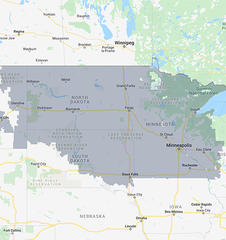
Our Locations
1330 41st St. N
Fargo, ND 58102
6265 Carmen Ave.
Inver Grove Heights, MN 55076
1325 S Frandsen Ave
Rush City, MN 55069