
Foundation Repair or Foundation Replacement?
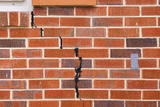
The first thought homeowners usually have when they discover that their foundation is damaged is if they need to replace it. It all depends on the severity of the damage. In many cases, the foundation can be repaired with modern solutions.
It might end up being the better option for your home in the long run, because home foundation repair is designed to solve the root causes behind foundation issues—something foundation replacement often fails to address.
By the end of this page, you’ll know which option is best for your home. Let’s dive in!
Foundation Repair vs. Foundation Replacement: Which Is Better?
So what do we mean when we talk about foundation repair versus foundation replacement? Well, repair is when professionals use tools (such as foundation piers) to provide an already existing foundation with better stability and strength. Foundation replacement refers to when the entire foundation itself is swapped for a new one.
You might be wondering, “If my foundation is damaged, why wouldn’t I always just replace it?” The answer to that question has many variables, so let’s take a deep dive into them.
When to Go With House Foundation Repair
You should consider house foundation repair when damage only affects small areas of the foundation. If a couple of foundation footers are sinking into the foundation or you notice some sections of the foundation wall are cracked, foundation repair can help.
Foundation repair corrects foundation problems and helps keep the foundation itself protected in the future. Usually, the process is much quicker than foundation replacement and won’t cause as much disruption to your daily routine.
When to Go With Foundation Replacement
You should only consider foundation replacement if the foundation damage is extensive and severe. If your entire concrete slab foundation is crumbling, uneven, and cracked all at the same time, it’s a good idea to invest in foundation replacement.
But just remember, this is an extreme example—damage like this isn’t the norm. If you do have to go with foundation replacement, be aware the process is quite invasive and long. It might take a while until your home is back to the way it was before, but it will be worth the safety.
So Is Home Foundation Repair or Replacement Better?
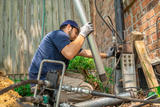
This all depends on your needs. Generally, foundation repair is going to be more cost-effective and less time-consuming than foundation replacement, but sometimes replacement is the only option.
One important fact to keep in mind is that even if you replace your foundation, you need to address the conditions that caused foundation damage in the first place. Replacement will have been for nothing if those issues aren’t resolved.
This is where concrete foundation repair does have a leg up—it’s designed to address the causes behind foundation damage. For that reason, foundation repair can be used as a preventative measure to avoid having to pay for foundation replacement in the first place.
When it comes to foundations, prevention of damage is always better than waiting for damage to show up. Ultimately, house foundation repair can save you money and time in the long run!
What Are the Signs My Home Needs Foundation Repair?
How can you tell if your foundation will benefit from repair? Here are the most common issues we’ve seen throughout our nearly two decades of service:
- Wall Cracks
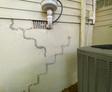
Cracks in the floor and walls are indications that the foundation of your home is shifting. Unattended, cracks will continue to develop and may cause other structural issues over time. Even small wall cracks can be an indication of damage, so don’t ignore them.
- Stuck Windows and Doors
As foundations shift, the walls of the house are affected to the point where windows and doors jam. This can mean that windows become difficult to open and close, with the same for doors. There may also be visible gaps between the frames and the walls.
- Uneven Floors
When foundations sink, they cause floors to become uneven. With pier foundations, it is always best to extend the pier down to the sturdy bedrock, especially if the soil composition isn’t particularly good or has a high clay content. In modern homes, reputable builders will consider the soil quality when preparing the earth.
- Foundation Settlement
A settling foundation is a sign that there is a large amount of soil movement causing the foundation to sink. Sinking can occur unevenly or evenly, depending on the soil composition across the property. Tilting is commonly accompanied by cracks appearing in the floors, foundation, and walls.
An easy way to tell if your foundation has caused the house to tilt is to break out a classic level and place it on the floor. You can also try placing a marble on the floor and testing what direction it consistently rolls in if it rolls at all.
- Basement Leaks
The cracks caused by a settling foundation will often result in basement leaking. Hydrostatic pressure will force water up through the cracks and put pressure on the basement walls, potentially leading to bowing walls that require basement foundation repair options
What Causes Foundation Problems?
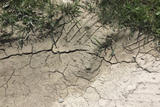
Most foundation problems stem from issues with the soil beneath it. When the soil beneath your home shifts—whether through erosion, poor compaction, or swelling—it becomes weaker and has a direct impact on your foundation.
As you can imagine, foundations have to support an immense weight. When the earth below the foundation becomes weak, the foundation sinks. It may also cause the foundation to become uneven if the soil expands after absorbing too much water.
Soil changes over time, usually due to seasonal shifts. Thawing and freezing and drying and swelling are two cycles that soil progresses through each year with winter and summer.
There are also isolated events, such as heavy rainfall or extended droughts that impact the earth’s composition. All these cycles affect the stability, strength, and overall condition of your foundation.
How Does Soil Composition Impact My Need For Basement Foundation Repair?
The soil below your foundation is literally bearing the weight of your entire home. For this reason, it is ideal when the soil is composed primarily of loam. Otherwise, including a pier system that extends to the stable bedrock below will provide the necessary stability.
There are five general soil categories you may find on your land. Note that soil can be a combination of two or more of these broad categories.
- Sand
Sand is non-absorbent and will not change in structure when wet. Some builders may use a sand mixture to backfill certain areas because of this water-resistant quality. However, sand will degrade over time as it wears down into smaller particles. At this point, it can be pushed away by a steady water current. Sand is not considered an ideal soil to build on without foundation reinforcement solutions, like helical or push pier systems.
- Peat
Peat is a dark soil made from decomposing organic material, like leaf litter. This is looser topsoil that expands greatly when wet and shrinks when dry. This instability does not make it even close to ideal for building on.
- Loam
Loam is considered one of the most ideal soils for building upon. Loam is actually a combination of clay, sand, and silt. While it will absorb moisture, it won’t experience a great deal of expansion or shrinking. It compacts well and provides a largely stable surface for supporting a foundation.
- Rock
Rock is great for supporting homes when prepared correctly, as certain varieties have incredible load-bearing capacities. In our area, it is more common for rock to be buried beneath several feet of soil. To compensate for this, we use pier systems that extend from the foundation to the rock to provide exceptional support.
- Clay
Clay, much like the stuff you got to play with in school, will greedily soak up liquids. It will also see a great deal of shrinkage as it dries. Moist clay almost has a slippery, slimy texture and will move easily with enough pressure applied. Clay-heavy soils are the cause of many foundation problems, and it is not a good supporting soil to build upon.
Get Foundation Repair With Innovative Basement Authority

Innovative Basement Authority is a fully trained and accredited home foundation repair contractor. Our expert teams are equipped with the experience, tools, and training necessary for providing complete solutions to your home. It can always be tempting to DIY house foundation repair, but this is best left to the experts. Not only do they have the expertise to get to the core problem, but they can easily resolve it.
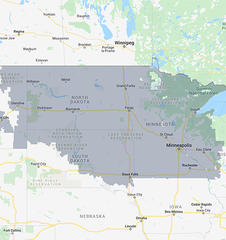
Our mission is to create permanent solutions and happy customers. Our warrantied solutions can restore the value and structural stability of your home. We offer free foundation repair quotes throughout the Minnesota, North Dakota, and eastern Montana regions. Book your free inspection and quote today.
Foundation Repair Related Resources


Leah Leitow
Publish Date:
Last Modified Date:
Our Locations
1330 41st St. N
Fargo, ND 58102
6265 Carmen Ave.
Inver Grove Heights, MN 55076
1325 S Frandsen Ave
Rush City, MN 55069