

Why Is My Foundation Damaged/Sinking?
If you are noticing sinking or damage in your property’s foundation, there are a few potential culprits. While soil-based issues are the most common causes of damage to the structure of a home, there are other potential causes. Structural defects in design or construction are uncommon, but not unheard of.
- Soil-Based Issues
Soil that is excessively wet or dry can cause foundation issues like subsidence and settlement in your property. This occurs most often when the loose, backfilled soil fails to drain rainwater, forming a “clay bowl” around your home, or when expansive clay-based soils become incredibly dehydrated. If the soil under your foundation is firm, the excess hydrostatic pressure can cause walls to crack, but if the soil under your home is loose or marshy enough, this extra water can render it unable to support your property.
Settlement, by contrast, tends to happen when expansive or weak soil is dehydrated. Expansive soil will contract sharply, often cracking as it does so, while weak soil can simply begin to wear away. Either way, your foundation can be left without support in some sections. When this happens, your property will begin to sink, usually in an uneven manner, or else its foundation might start to fragment and drop into the voids left behind.
- Flawed Design or Materials
Soil-based issues are some of the most common causes of foundation damage and structural movement in the U.S. today, but they are not the only possible causes. Structural defects, either in design or in the materials used during construction, are possible and they can be incredibly destructive. One example of this is a miscalculation in the required depth of a property’s foundation. This kind of miscalculation can easily result in a weak foundation that is unable to bear the weight of the structure that it holds.
As most foundations are made of concrete, either poured or slabs, any flaws in the concrete itself will result in cracking, fragmentation, and cosmetic damage to a property’s foundation very quickly. One example of this kind of defect is poorly mixed or cured cement. This can lead to an improper distribution of water in the surface and allow fault lines to form in a foundation. This is almost guaranteed to end up causing fragmentation and, over time, settlement or sinking.
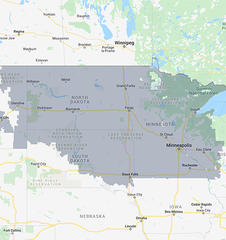
Our Locations
1330 41st St. N
Fargo, ND 58102
6265 Carmen Ave.
Inver Grove Heights, MN 55076
1325 S Frandsen Ave
Rush City, MN 55069