

How Does Frost Heave Affect My Foundation?
When the temperature gets cold enough, all the moisture over the frost line freezes. When liquid turns into ice, it expands by 9%. The top layers of your property freeze solid, expand against the foundation walls, and grip it. The subsequent soils freeze as the days go by, harden, and expand, and the foundation gets shifted around, as well as the soil right under it, which doesn’t freeze because it’s below the frost line. Because the foundation and the soil have shifted about when winter is over and the ice melts, the foundation is set back on an uneven layer of soil. The weight of the house only further shifts the soil about, causing even more settling.
Frost heave is very destructive on crawl spaces as well. The ice (called ice lenses) forms under the crawl space footings and exerts an upwards pressure as it expands. The footings, which are made of concrete and are probably damaged from freeze-thaw, begin shifting as the pressure pushes them upwards. Crawl spaces with damaged footings result in uneven floors, so frost heave is something you have to avoid as much as possible if you want to avoid paying for repairs. Although it’s not completely preventable, it is something you can minimize with the right waterproofing solutions.
The best way to minimize the effect frost heave has on your foundation is by reducing the amount of groundwater around your home. The less groundwater there is, the less ice lenses will form around the foundation. This can be done with an interior drainage system and a sump pump. Without these measures in place, winter becomes the most destructive season for homes in St. Cloud.
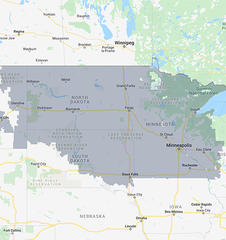
Our Locations
1330 41st St. N
Fargo, ND 58102
6265 Carmen Ave.
Inver Grove Heights, MN 55076
1325 S Frandsen Ave
Rush City, MN 55069