

How Bad Can Humidity Get in the Crawl Space?
Humidity and dampness can get into a crawl space in a number of ways. Water can seep in when the seals around utility induction ports weaken or break, but it can also get into a crawl space through damage to the structure.
- Flooding Issues
Humidity can build up to extremely high levels in the crawl space. This is mainly due to how small and contained it is. Coupled with the fact that your fiberglass insulation can trap humidity in this space, and it is a recipe for rot and destruction.
Not only can humidity invite mold and pests to infiltrate your crawl space, but it can also cause floods in your crawl space, too. The relative humidity of a given space is a ratio that measures the percentage of water in the air. A good level is around 50% capacity, with any more being rife for humidity issues. If it goes over 100% capacity, the humidity will condense into liquid drops and can eventually flood your crawl space.
- Foundation Damage
If your foundation is damaged by frost heave, tree root invasion, subsidence, or settlement, water can seep into your crawl space. If the soil under your home is especially saturated, the damage can lead to standing water that will stink the longer you let it linger.
Additionally, constant flooding can also cause the foundation to shift out of place and affect the rest of your home’s infrastructure as a result. The soil underneath the foundation may also be washed away during a storm, which can cause the foundation to settle and eventually crack.
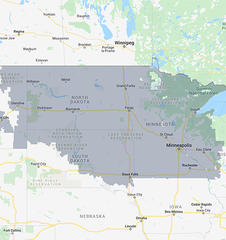
Our Locations
1330 41st St. N
Fargo, ND 58102
6265 Carmen Ave.
Inver Grove Heights, MN 55076
1325 S Frandsen Ave
Rush City, MN 55069