

Are There Other Common Causes of Street Creep?
Street creep may be the term specifically coined for when concrete pavement shifts due to the temperatures changing, but there are other phenomena that can do the same.
- Soil Settlement
In preparation for laying a sidewalk, contractors will compact the soil. This prevents the cured slab from tilting as its weight and that of foot traffic forces it deeper into the earth. Not correctly compacting the soil can result in the soil being washed away by rainfall, creating a void beneath the slab.
Such soil settlement can cause the sidewalk to shift. Typically, what this shift will be is sinking or a collapse. On rare occasions, it can push against the driveway and cause a chain reaction similar to street creep.
- Slab Heaving
Pavement slabs can be pushed upward, or heaved, by expansive clay soils and tree roots. At times, contractors will accommodate for undesirable soil composition by adding a sand mixture to the compacted soil. This can work, for a time, to provide a more stable surface.
As slabs are heaved, they can be pushed into one another, causing further displacement. Heaving can become so severe that it can impact your driveway as well. This may render it unusable or unsafe.
- Debris
Concrete sidewalks are not typically grouted, and can very easily collect dirt, leaf litter, and water. Over many years, debris can force pavement slabs further apart, pushing them into your driveway.
Debris will naturally collect in the gaps between slabs. Rain will push even more within, and come winter, as the moisture freezes, it will create even more pressure between the slabs. The same can happen in warmer climates with clay soils, which greatly expand when in contact with water.
As slabs shift, for whatever reason, debris can collect in even greater quantities. Sometimes, small plants can even grow through.
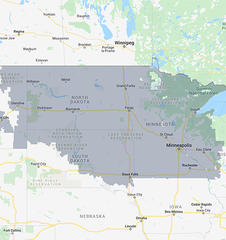
Our Locations
1330 41st St. N
Fargo, ND 58102
6265 Carmen Ave.
Inver Grove Heights, MN 55076
1325 S Frandsen Ave
Rush City, MN 55069