

Why Is My Crawl Space Damp?
Schedule Free InspectionA property’s crawl space is one of the areas that is most vulnerable to dampness and its associated issues. This is because crawl spaces tend not to benefit from the same protections as the rest of a property. Water and dampness have two main points of entry into a crawl space: exposed vents and cracks in the structure of your home.
- Uncovered Crawl Space Vents
Crawl space vents were commonly installed in properties to manage dampness because it was believed that the increased airflow would prevent moisture buildup. These days, we know that is not true. These vents are the leading cause of dampness and humidity in a crawl space that is otherwise undamaged.
This is partly because of how they let water into the space during periods of flooding and extreme weather, but also because they leave a crawl space more open to the elements. In winter, the temperature in a crawl space can plummet causing pipes to freeze and burst. In summer, however, the warm, humid air that enters a crawl space can cause condensation to form on cool surfaces, thereby creating dampness.
- Structural Damage
If you do not have crawl space vents, or you have had them covered, and you still have issues with dampness, the most likely cause is damage to the structure of your home. Any damage that causes cracking in the walls or floor of your property’s crawl space acts as an entry point for moisture and can incubate dampness and humidity.
The most common causes of structural damage are excessive hydrostatic pressure as a result of saturated soil or underground water sources and foundation damage. Your property’s foundation can be damaged in several ways, but it will usually come down to issues with the soil around your home. Expansive soil can damage a property as it shrinks and expands during climate changes.
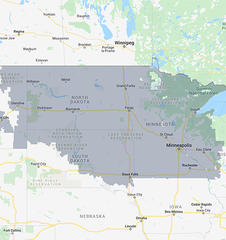
Our Locations
1330 41st St. N
Fargo, ND 58102
6265 Carmen Ave.
Inver Grove Heights, MN 55076
1325 S Frandsen Ave
Rush City, MN 55069