

Why Aren’t Crawl Spaces Waterproof?
Years ago, it was believed that ventilation could help a crawl space stay dry. While this is true for spaces above ground, this is not true for crawl spaces, which are partially underground. Crawl spaces are surrounded by moist soil, so there’s always going to be water vapor permeating through the walls. Also, given a crawl space’s proximity to the ground, it’s easy for rain water to get in through the vents. The other areas in our home are not exposed to moisture like this, which is why ventilation works everywhere except crawl spaces.
Now that the construction industry knows better, crawl spaces should be built with better waterproofing features, right? Unfortunately, this isn’t the case, and it’s mostly due to budgeting. It’s a lot easier and less expensive to build a simple dirt crawl space and call it a day. Adding certain installations, like a vapor barrier or a sump pump, would require more work, so it’s not something construction crews are usually eager to do. A waterproof foundation also raises the value of the house considerably, so if the house needs to be built a certain way to stay within the estimated property value, waterproofing solutions will not be implemented.
In Minnesota, the building codes allow for different types of ventilation methods. Some of them are not ideal for waterproofing, but the law does not actively discourage them. Due to outdated building codes, construction crews sometimes need permits to waterproof a crawl space during the building process. This can be seen by many as a waste of time and resources, so it’s rarely done. Unfortunately, waterproofing with the right solutions is up to the homeowner, not the construction crew that built the home.
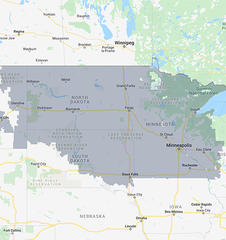
Our Locations
1330 41st St. N
Fargo, ND 58102
6265 Carmen Ave.
Inver Grove Heights, MN 55076
1325 S Frandsen Ave
Rush City, MN 55069