

What is the Difference Between Dry and Wet Rot?
There are millions of fungi out there in the world, which can cause all sorts of problems. The most common problems inside a home are caused by dry rot, though some of it can get mistaken for wet rot. There are differences between the two that people are not aware of.
- Dry Rot
One of the most dangerous problems for homeowners, dry rot, is formed through the accumulation of moisture. Different types of water events such as floods or even leaky faucets introduce enough moisture into the surrounding area it allows the rot to form.
The reason for its destructive force is its ability to spread to surrounding areas as opposed to the initial problem. Dry rot will travel through wood, masonry, and brickwork to continue its destruction.
- Wet Rot
Wet rot is formed by a different type of fungus, which requires a higher moisture content to form. This type of rot also doesn’t grow farther like dry rot and will stop at masonry or when the source of moisture stops.
Unlike dry rot, wet rot won’t cause as much damage since it won’t have a chance to spread far out from the affected area. Once the moisture is taken away, such as in another room, wet rot will stop since the fungus won’t have a chance to continue growing.
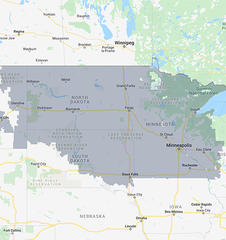
Our Locations
1330 41st St. N
Fargo, ND 58102
6265 Carmen Ave.
Inver Grove Heights, MN 55076
1325 S Frandsen Ave
Rush City, MN 55069