

What Causes Crawl Space Mold?
Mold loves the darkest and dampest parts of your home. You’re most likely to find new clusters in your:
- Basement
- Crawl space
- Attic
- Bathroom
- HVAC system
- Air ducts
That said, there are certain forces that can make these areas more vulnerable to mold growth than others. When it comes to your crawl space, you may be able to lay the blame for your mold infestation on the following:
- Hydrostatic Pressure
It’s easier than you might think to trace many of the problems in your crawl space back to hydrostatic pressure. This pressure is pervasive, destructive, and not always easy to combat.
Hydrostatic pressure builds up outside of your home when water, either from rain, snow, or deep within the ground, starts to come into contact with the materials making up the exterior of your crawl space. Those various forms of water can cause the materials in question to change temperature on a molecular level. As those materials’ temperatures fluctuate, they can begin to change in size. In turn, they can develop stress cracks that will allow even more moisture into the rest of your home.
If your crawl space is forced to contend with this kind of pressure in the long term, you can begin to see the structural supports within that space start to decay. Mold can more readily take root in your crawl space if it is frequently damp. More often than not, hydrostatic pressure damage begets additional hydrostatic pressure damage. However, you can work with an area professional to seal off the damage, pull unwanted moisture from your crawl space, and remove or repair any damage that’s already taken root.
- High Levels of Humidity
Note that not all unwanted moisture has to take the form of standing water. The same cracks that form as a result of hydrostatic pressure’s unrelenting force can also increase the humidity within your home. If you think you’re contending with a humidity problem instead of a standing water problem, you’ll want to try and keep an eye out for the following within your home:
- Sticking doors
- Foggy windows
- Exterior home damage, including a cracked chimney
- Mold clusters
As mentioned, mold thrives when it has ready access to heat, humidity, and basic nutrients. Even if you don’t think you have an active crack on your hands, higher humidity within your crawl space can spell disaster for you, your family, and your property’s overall value.
Note that the aforementioned symptoms often precede more serious structural problems within your crawl space. If you notice them or find that your home is generally a less pleasant space to be in than it used to be, you can reach out to area professionals to try and get ahead of the damage and mold that may be coming your way.
- The Stack Effect
The stack effect is one of the major contributing factors to the level of humidity inside a home, and as a byproduct, the growth of mold. It is a process by which the warm or hot air inside the home rises and leaves through the attic or any of the upper levels. As the hot air escapes, the areas below form a vacuum, where new air is pulled upward through the crawl space or basement. When this process takes place, humidity from the vacuum effect will begin to rise, giving mold a chance to take root.
- Interior Leaks
It isn’t just hydrostatic pressure outside of your home, however, that can allow mold to take root in your crawl space. Damaged pipes can also put the integrity of your crawl space at risk.
The pipes in your crawl space are especially sensitive to water damage. As the temperatures outdoors start to change, or as parts start to wear out, the pipes attached not only to your water line but to your HVAC system can start to leak. As these pipes leak, they can increase the humidity in your home and make your crawl space a better incubator for any mold spores that have made their way indoors.
Leaking pipes don’t just increase your chance of a mold problem, though. Pipes can burst and cause the whole of your crawl space to flood. Even if they do not, consistent leaks can cause your crawl space’s structural supports to split and crack to the point where they can no longer support the weight of your home.
- Organic Material
Apart from the humidity, which is present in every home, mold feeds off organic material. This includes anything organic such as drywall, wallpaper, glue, paint, or wood. The spores can latch onto these materials and start to flourish.
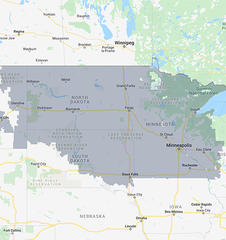
Our Locations
1330 41st St. N
Fargo, ND 58102
6265 Carmen Ave.
Inver Grove Heights, MN 55076
1325 S Frandsen Ave
Rush City, MN 55069