

What Is the Stack Effect? How Does It Impact My Home?
The stack effect refers to the airflow pattern in a house from bottom to top, like a chimney. Air enters at the bottom, rises through the structure, and is expelled through the top. It all has to do with air pressure. Air flows from areas of high pressure to areas of low pressure. When there is a greater difference between indoor and outdoor temperatures, the more significant this airflow becomes. (Source: Fine Homebuilding)
To get a better understanding of the stack effect, it might be beneficial to see it in action. While you can’t see airflow, there is a great demonstration of the stack effect in a YouTube video from the Cold Climate Housing Research Center titled “Your Nothern Home: Stack Effect.”
More than half the air you are breathing inside your house comes from the crawl space. So, whatever is in your crawl space – such as mold and high humidity – also is in the air circulating throughout the rest of the house and affecting your living environment.
Here are a few major issues that result from open crawl space vents and the stack effect:
- Water Intrusion
There are different ways water can enter a crawl space – through the walls, floor, open vents, and plumbing leaks. No matter how it got in, it’s a big problem. Areas of leaking, standing water are very attractive to bugs and other pests who seek shelter and a food source. Water can easily saturate soft fiberglass insulation and lead to mold growth, and wet support systems can fail to do their job and contribute to sagging floors.
- High Humidity
If there is high humidity in the crawl space along with water, this is a recipe for disaster. Humidity levels above 50% contribute to mold growth, unpleasant odors, failing support systems and more.
Crawl spaces commonly have high relative humidity and moisture. These conditions promote mold growth, especially on organic materials like wood and insulation. Moisture in the crawl space also can enter other areas of the home through cracks in walls, floors, and the ceiling, and contribute to mold growth there. (Source: EPA)
- Sagging Floors
Other related problems that go hand in hand with water and humidity are failing support systems and sagging floors. When hot, humid air is vented into the crawl space during warmer months, this can cause wood to rot. Metal supports also can rust and corrode. Coupled with the presence of water, this also can lead to sagging, soft, buckling floors above, and affect hardwood floors.
- Energy Loss
You could be wasting a good deal of money trying to keep your home at a comfortable temperature. This is because of your vented crawl space. When hot and humid air is vented inside, you’ll be running your air conditioner nonstop to stay cool and potentially overtaxing the unit. Similarly, cooler wintertime air vented inside makes your furnace struggle to keep up in maintaining a warmer environment. Floors may feel cold because of the cooler air from the crawl space underneath.
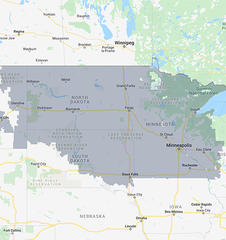
Our Locations
1330 41st St. N
Fargo, ND 58102
6265 Carmen Ave.
Inver Grove Heights, MN 55076
1325 S Frandsen Ave
Rush City, MN 55069